5 Creative Ways to Enhance Interior Stairs
5 Creative Ways to Enhance Interior Stairs
How to Update and Enhance Interior Stairs
Making upgrades to your home isn't always about remodeling your kitchen and bathroom or converting an attic and basement to a bedroom. You can also improve the appearance of your home by upgrading your interior stairs. So many homeowners neglect to think about the staircase, which at times is a central focal point.
There are creative and unique ways to improve the look of your stairs beyond the typical hardwood flooring and carpeting. We are not saying you have to ditch the hardwood and carpet altogether — there are ways to enhance them too.
Here are a few improvements to make to your interior stairs to bring on a great new look.
Tiling Stairs
A great way to do something different with your stairs is to add tiles. However, it's vital to keep in mind that whatever you choose, the stairs must be slip-resistant and safe.
Tiles can add a fantastic design element to an existing staircase. Here are a few ideas using tile.
If you like the idea of hardwood stairs but want to spruce them up, consider adding tile.
One idea is to keep the hardwood on the tread (the full horizontal surface a person steps on) and bullnose (the leading edge of the tread) and add tile to the risers (the front of each step). You can alternate by painting the front of one riser and tiling the next, or using a different pattern tile on each. Paint the vertical railings and match the hardwood on the treads to the top railing coming downward. Ceramic tiles are a great choice for this type of application.
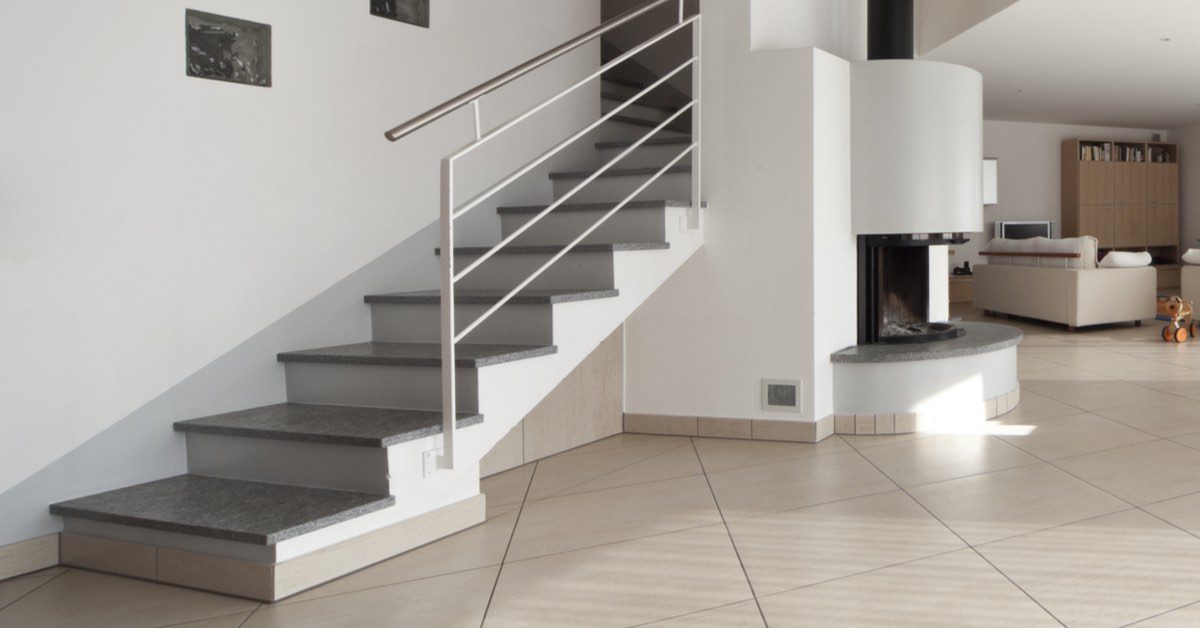
Another idea is to tile the entire staircase and accent it with a nice railing. In these instances, the tile on the top treads must be slip-resistant and have no sharp edges. Natural stones and porcelain tiles are worth considering.
You can find tiles in different shapes and sizes, along with a variety of colors and patterns. You can use a single color or create unique design patterns by combining different styles and colors.
Decorative Molding
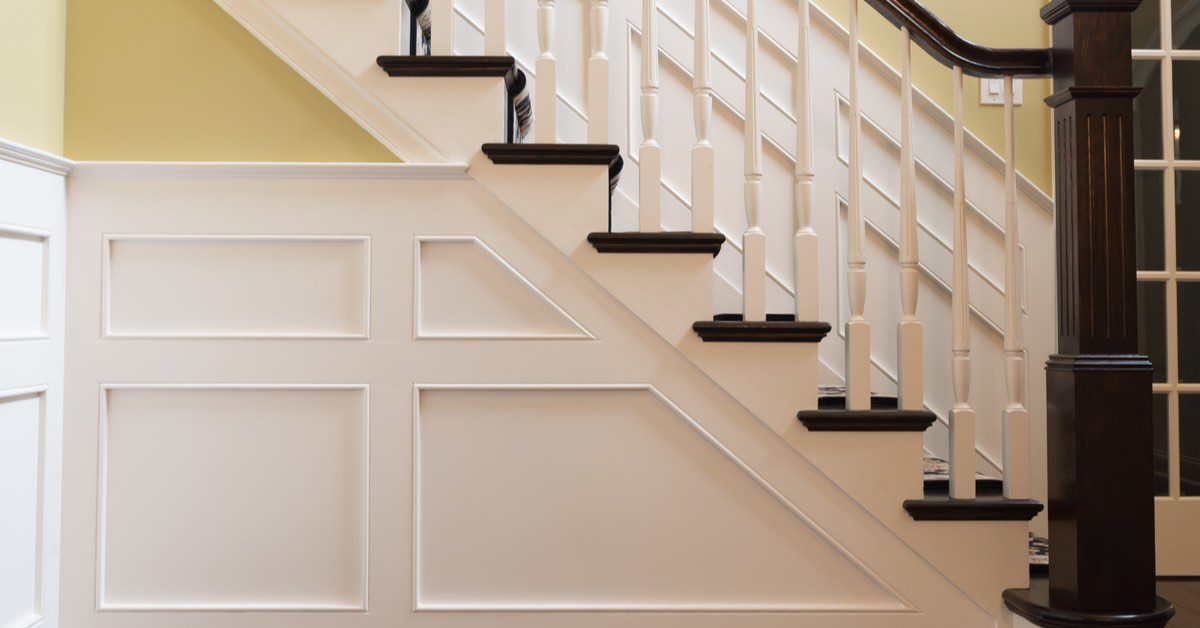
Decorative molding isn't just for the large rooms of your home, like your living room and dining room. Using it on the stairway can provide an elegant, rich look.
You can use decorative base molding at the foot and along the sides of each step.
Wainscoting stair trim is versatile paneling that can dress up any staircase. The wainscoting design started in homes in the eighteenth century; at the time, it was done for durability and insulation. Today, its purpose is visual — adding a touch of elegance to an otherwise plain staircase wall.
The most common height for wainscoting is chair height, approximately 36 inches — though the size can be whatever you choose, with panels that can go from floor to ceiling.
Wainscoting has come a long way from traditional solid wood. Today these designs are made from tile, plastic, fiberboard (MDF), molded drywall, and embossed metal panels, which look incredible in cottage-style homes.
Painting
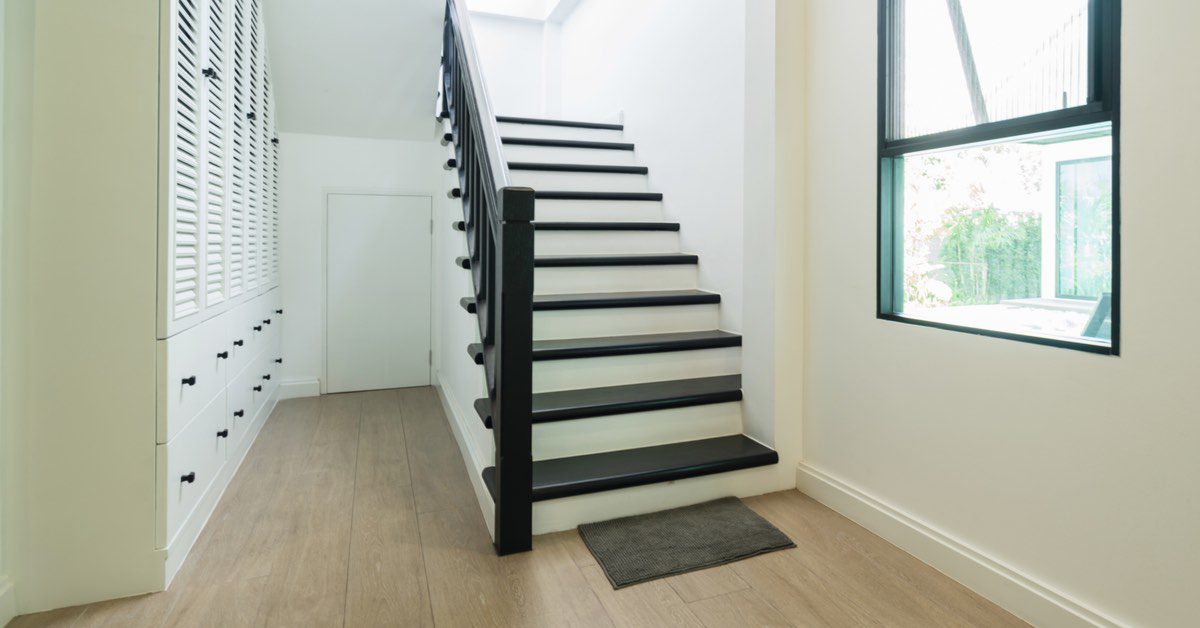
If you're on a budget or simply want a DIY project, painting the interior stairs can provide an interesting look. However, if the steps are used frequently and you're painting the treads, they must be prepped correctly and painted with the right type of paint to avoid scuffs and damage. Putting a protective stair runner on top will protect them and keep them looking great longer.
For easier maintenance, wood stain is more durable. You can leave the natural wood grain on the treads, paint the risers all one color, or mix it up with different colors. If you decide to paint the entire staircase, alternate colors tread by tread — one black, the next white, and so on.
If you want to get even more creative, paint a mural up the risers. This can also be done with wallpaper.
Stair Tread Runners
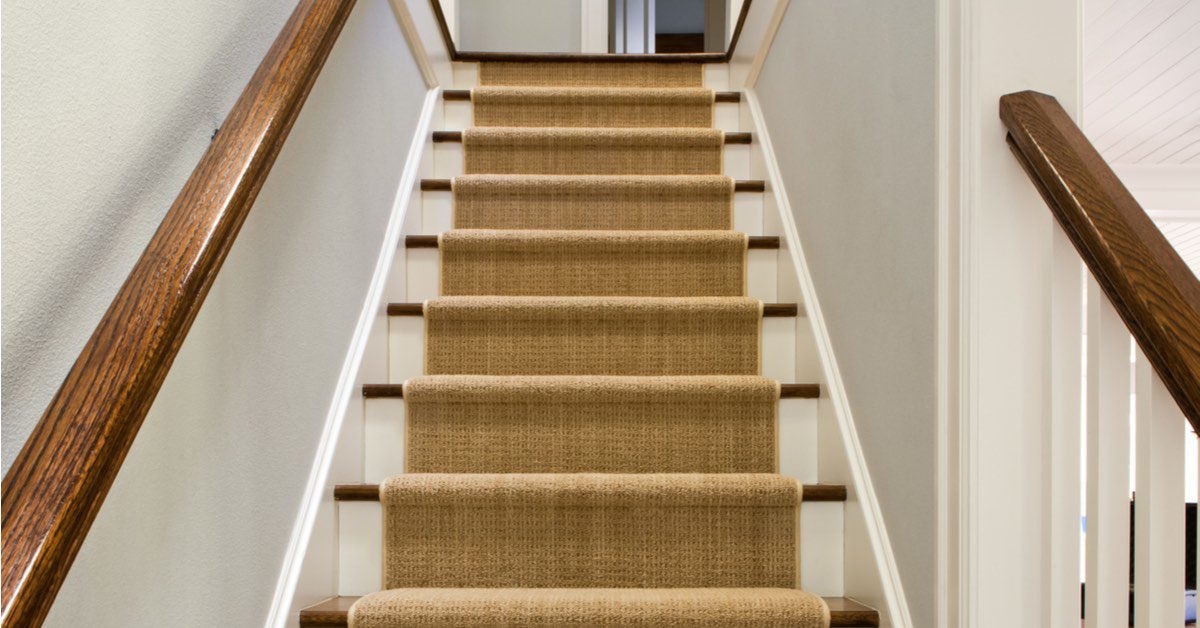
As mentioned earlier, adding a carpet runner and having it installed securely is an option for more protection and a slip-free staircase. Most staircases are hollow underneath, so the sound of feet can be amplified when someone — especially children — walks up and down. Runners can cover the entire tread or only part of it in the middle, and can run continuously from bottom to top or as a piece on each tread.
Railings
Stair railings serve safety purposes as well as provide a visual presence. When it comes to railings for interior staircases, the options are nearly limitless. Here we touch on a few.
Painted Railings
Basic wood railings can be easily painted or stained for a new look. Different colors can be used to provide a contrasting effect. The handrail and newel posts (central supporting posts) can be one rich color. The balusters (spindles), risers, and stringer (the vertical support board running along the sides of the staircase) can be painted the same color but different from the handrail and newel posts — leaving the stair treads in wood, carpet, tile, or a variation of all three.
Simple Design
If the staircase has intricate trim work and elaborate wall designs, consider keeping the railings simple with a narrow profile so they don't distract from the details.
Traditional, Victorian, Modern, Contemporary, and More
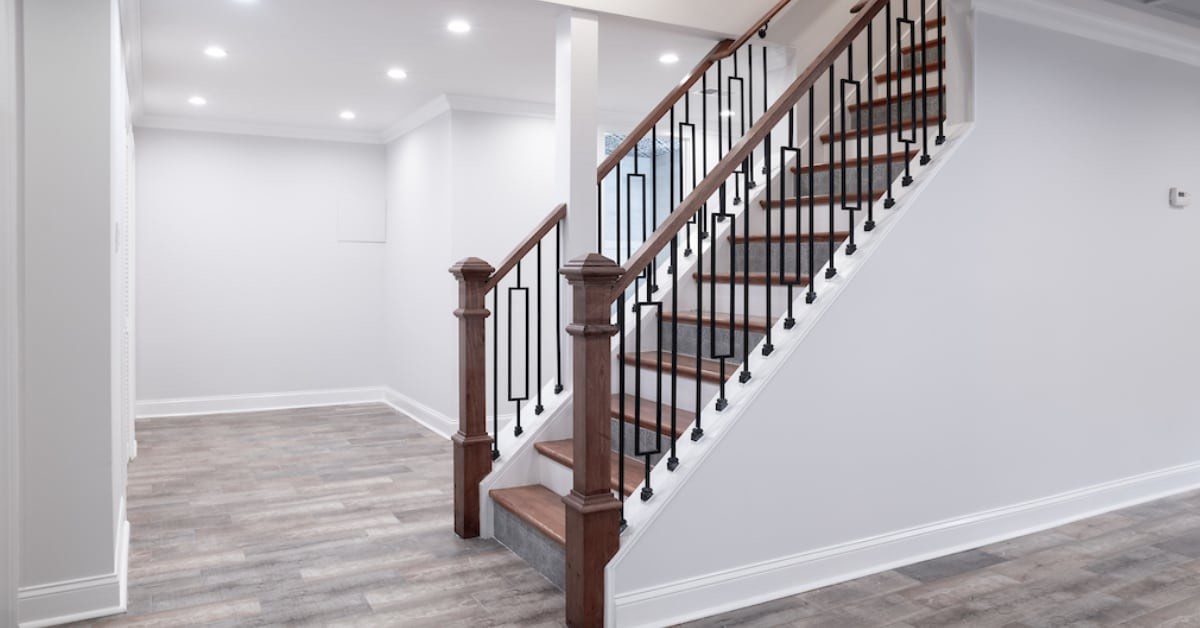
It doesn't matter the style of your home — there's a railing design for every architectural style. Contemporary railings have a streamlined design with crisp, clean lines, while metal stair railings are visually appealing for modern homes. Take a look at just a few types of railings:
- Wood
- Wrought iron
- Metal
- Steel
- Intricate detailed iron
- Railings with clear or plexiglass panels
- And more
Do Your Interior Stairs Need Enhancement?
If you would like to repair, update, or totally renovate your interior stairs, contact Morgan Contractors. We can set up a consultation to discuss the best new look for your interior stairs.